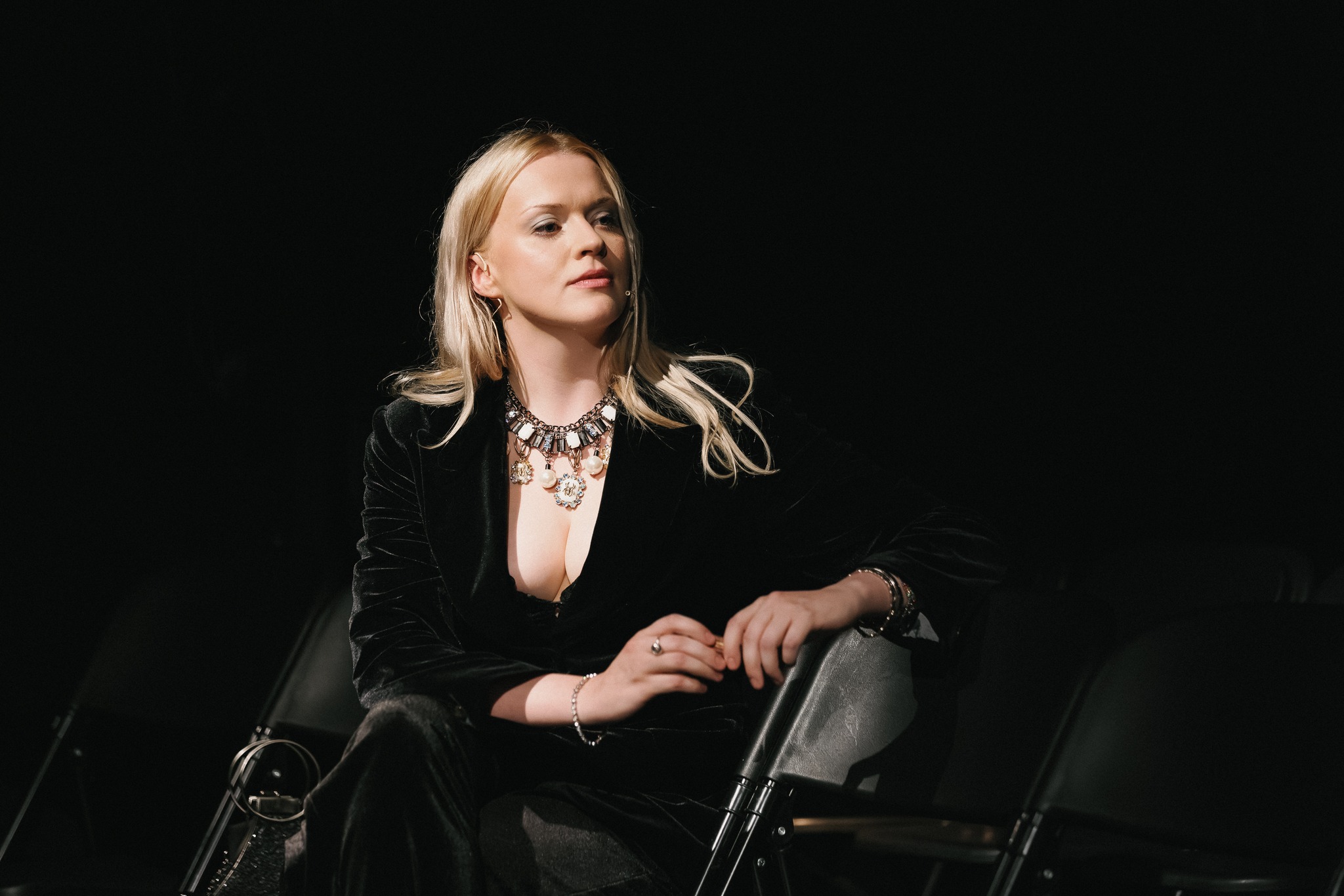
SAILOR I Chamber opera
Premiere: 2025-11-26


Director: Jonas Kuprevičius
Composer: Lukas Butkus
Costume designer: Elena Marija Veleckaitė
Soloists: Salomėja Petronytė, Liepa Ribokaitė, Ūla Marija Zemeckytė, and Ignas Ščesnulevičius.
Sponsors of the presentation of the work: UAB Ivabaltė
UTOPIA Theater production
"And I don't know what I was thinking about... Probably about other people's pasts... About the pasts of wonderful people who never lived. A stream flowed past my mother's house. Why did it flow? Why didn't it flow further or closer? Is there a reason why things are the way they are and not different? Is the reason as real and true as my hand?" – excerpt from Fernando Pessoa's play "The Sailor."
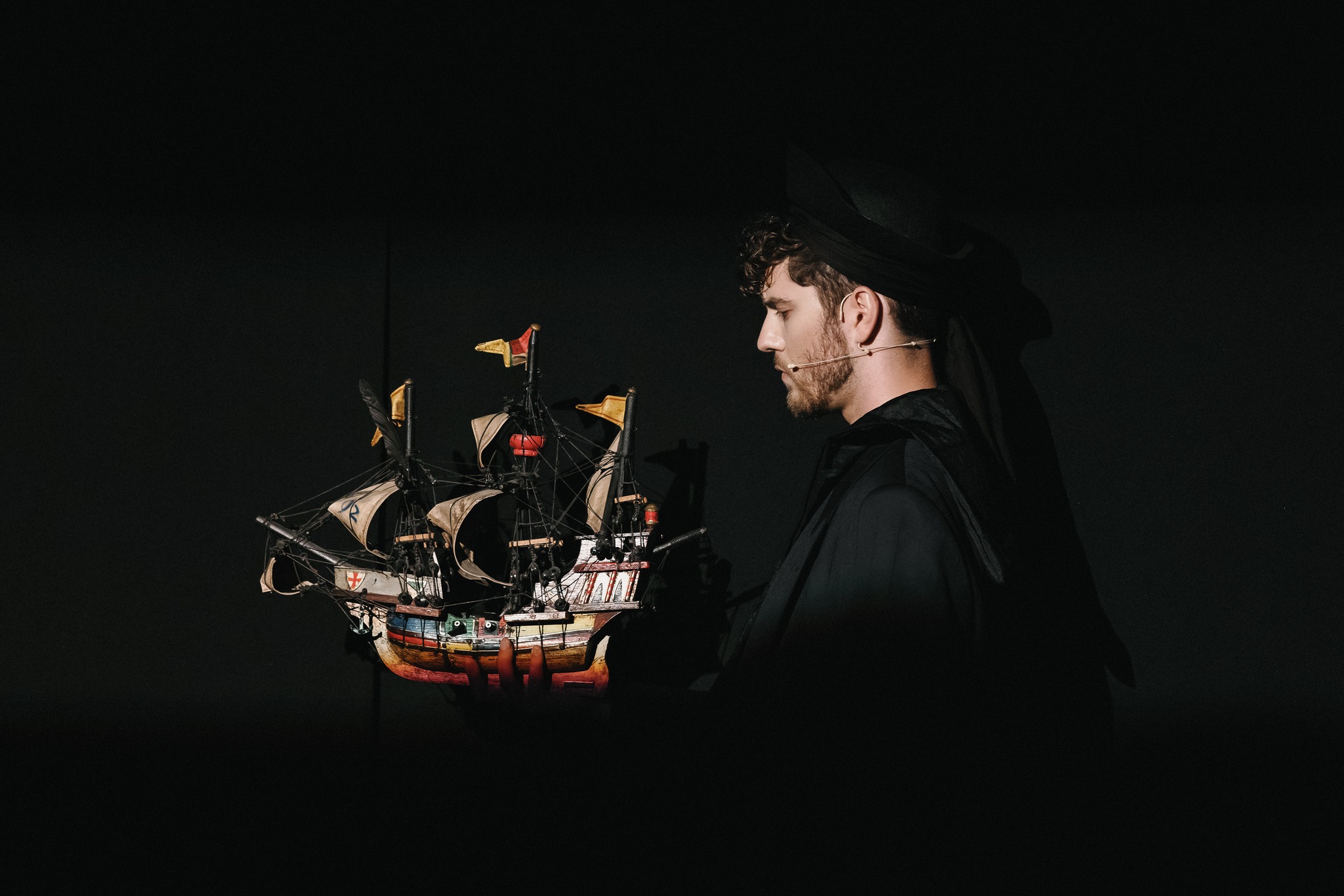
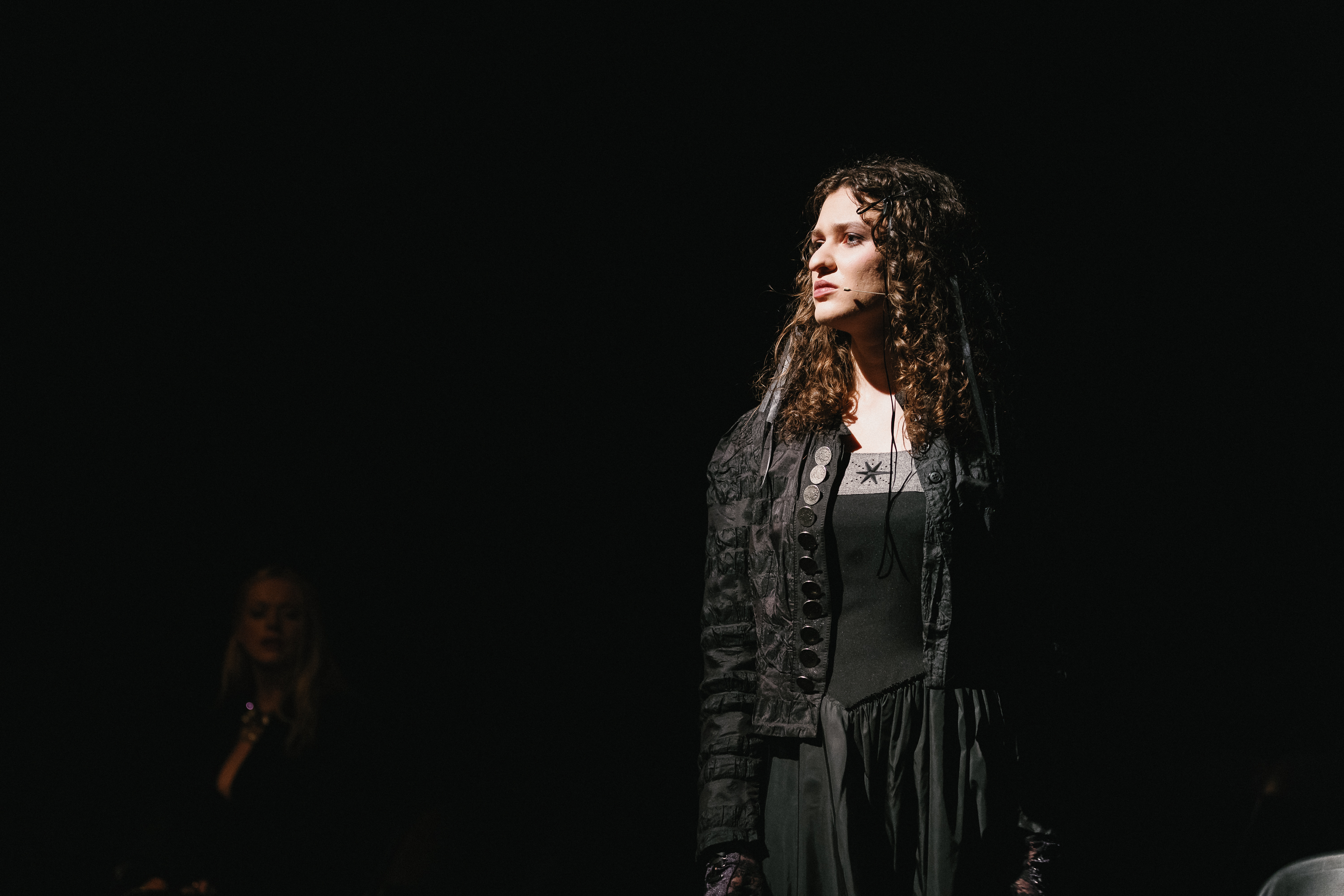
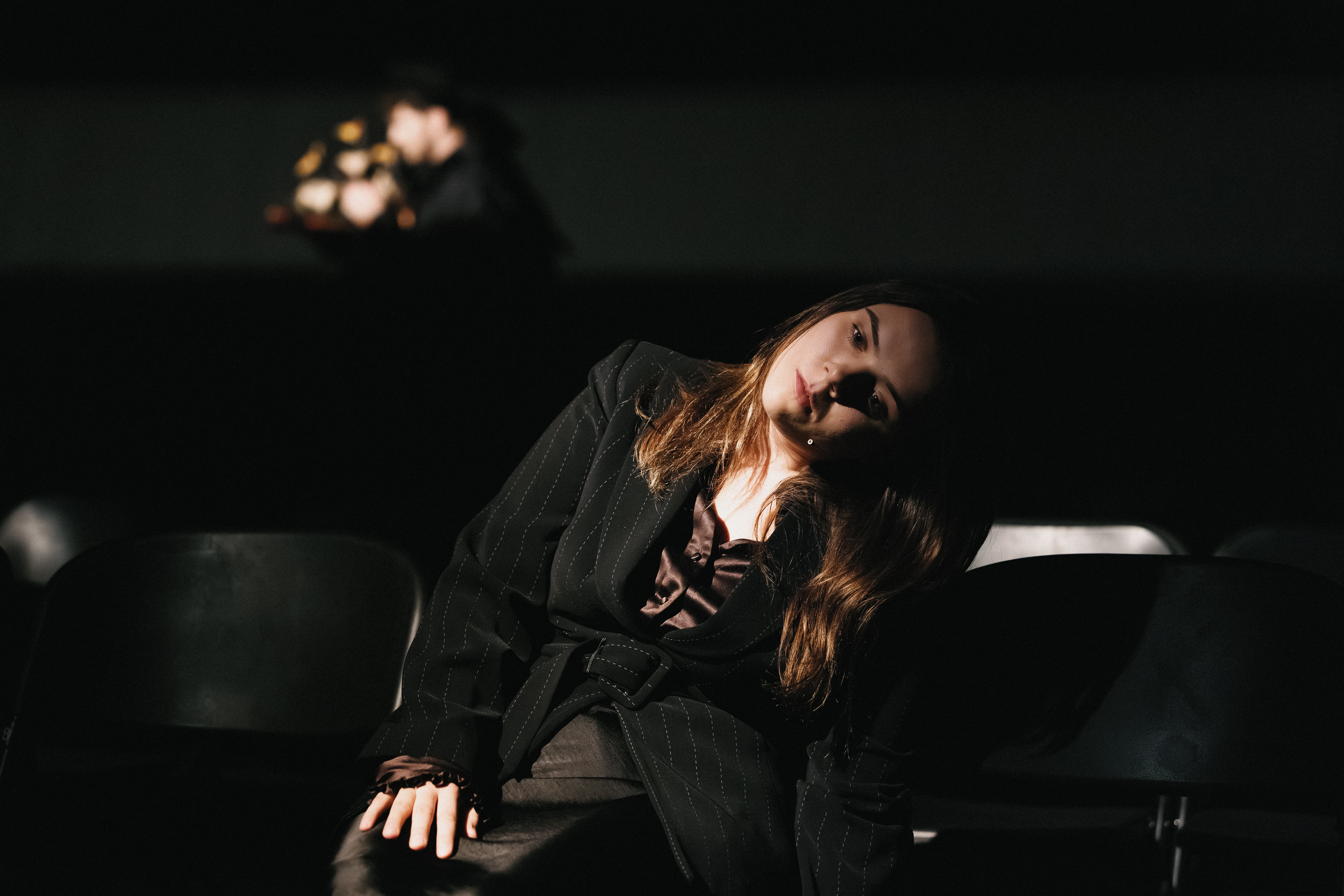
The chamber opera "The Sailor" is based on the only play by Portuguese writer Fernando Pessoa. It is a meditation on the nature of dreams and reality. The opera tells the story of three sisters keeping vigil over the urn of their fourth sister, who has died. To pass the time, they share memories of past moments they may never have experienced and dreams, one of which is about a sailor who finds himself on an uninhabited island. Inspired by these stories, the sisters question the nature of reality, death, and dreams: perhaps they themselves are just illusions of the imagination of an unknown dreamer?
The creators of the opera – director Jonas Kuprevičius and composer Lukas Butkus – use minimalist means to reveal the themes of Pessoa's work, often considered unstageable, in the format of a chamber opera. According to the creators, the opera genre provides an opportunity to express the playfulness of Pessoa's text, while the music, inspired by the spirit of the Baroque era, works with the poetry of the existential questions raised in the text. The Sailor is not only an opera, but also an opportunity to transcend the boundaries between dream and reality and immerse oneself in a musical experience.
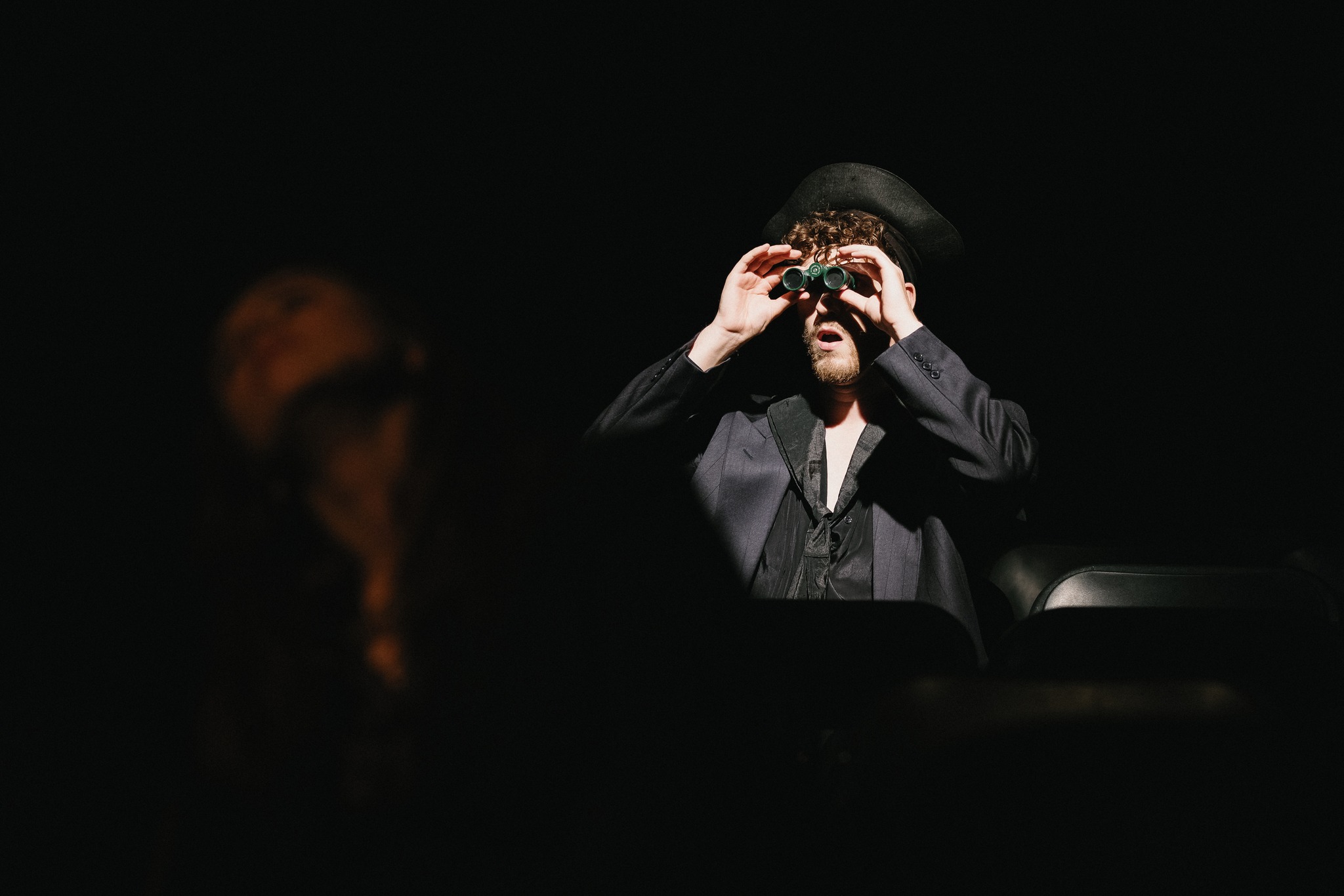
This performance creates new meanings, bringing the play closer to the present day and removing the boundaries of time (using elements of magical reality). As the play unfolds, new hints are added as to who these three beings might be: the soloists play sirens, a watchman, and real characters, as if they had just come in from the street. The character of the sailor, mentioned in the play as an observer, is also introduced. This is the second layer, which creates hints of unwritten stories parallel to the main plot, as if connecting what is interrupted by emptiness in the play. The mystical side of the work is conveyed through the principle of magical realism – lights, gestures, and the regulation of body movements and positions," says director Jonas Kuprevičius, presenting the opera.
About the author:
Fernando Pessoa (1888–1935) was a Portuguese poet and writer, considered one of the most prominent literary figures of the 20th century. He was famous for his complex literary personality – he created dozens of heteronyms, i.e. different authorial identities with their own voices, philosophies, and styles, through which he explored various aspects of human experience. His work had a huge influence on the development of modernist literature, especially in Portugal, where Pessoa is considered a national icon. One of his most significant works is the 1913 play "The Sailor" (port. O Marinheiro), written in 1913, reflecting Pessoa's preoccupation with the boundary between reality and imagination.
This performance is part of the Kamerinis Plus program. The artistic program "Kamerinis plius" aims to cultivate and satisfy the professional drama theater needs of Kaunas residents, promote the development of theater arts and the dissemination of new forms in Kaunas, and contribute to opportunities for Lithuanian and Kaunas performing arts creators to engage in professional activities. The program provides the audience of the Kaunas Chamber Theater with the opportunity to see carefully selected performances produced by other theaters.